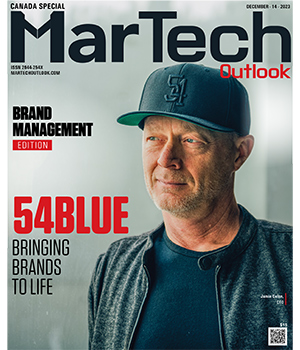

In the ever-evolving realm of business, brand management stands as an indispensable pillar that continually undergoes transformation and innovation. In recent times, the landscape of brand management has witnessed several noteworthy trends and advancements that have reshaped the way companies strategize, communicate, and connect with their audiences. These developments underscore the pivotal role of adaptation and foresight in navigating the dynamic terrain of brand establishment and sustenance.
One of the paramount shifts in brand management revolves around the burgeoning influence of digital platforms. The proliferation of social media, coupled with advancements in technology, has ushered in a new era of brand engagement. Brands are no longer just entities but dynamic personalities that interact, respond, and engage with consumers on various digital channels. Consequently, the focus has shifted towards creating authentic, relatable content that resonates with audiences on a personal level, fostering a sense of community and loyalty.
In the context of global events and societal changes, agility in brand management has never been more crucial. The COVID-19 pandemic served as a catalyst for brands to adapt swiftly to unprecedented challenges. Flexibility, resilience, and the ability to swiftly pivot marketing strategies to accommodate changing consumer behaviors have become imperative for brand survival.
Brand management is undergoing a paradigm shift, propelled by technological advancements, changing consumer preferences, and global dynamics. To thrive in this evolving landscape, brands must remain agile, authentic, and socially conscious while leveraging the power of digital innovation and data-driven strategies. Navigating these trends adeptly will not only bolster brand reputation but also foster enduring relationships with consumers in an ever-competitive marketplace.
In this edition, we have featured 54blue. Using its proprietary brand management software, Regulator (brandregulator.com), 54blue seamlessly synchronizes elements like engineering, design, and logistics to develop countless unique consumercentric collateral down to point-of-purchase materials.